
EV Product-Mix Changes and Flexible Manufacturing Site Selection
As EV demand shifts, battery manufacturing site selection should account for flexible production, workforce capacity, infrastructure, and long-term costs.
Explore automotive, EV, battery, semiconductor, and other advanced manufacturing location decisions.
As EV demand shifts, battery manufacturing site selection should account for flexible production, workforce capacity, infrastructure, and long-term costs.
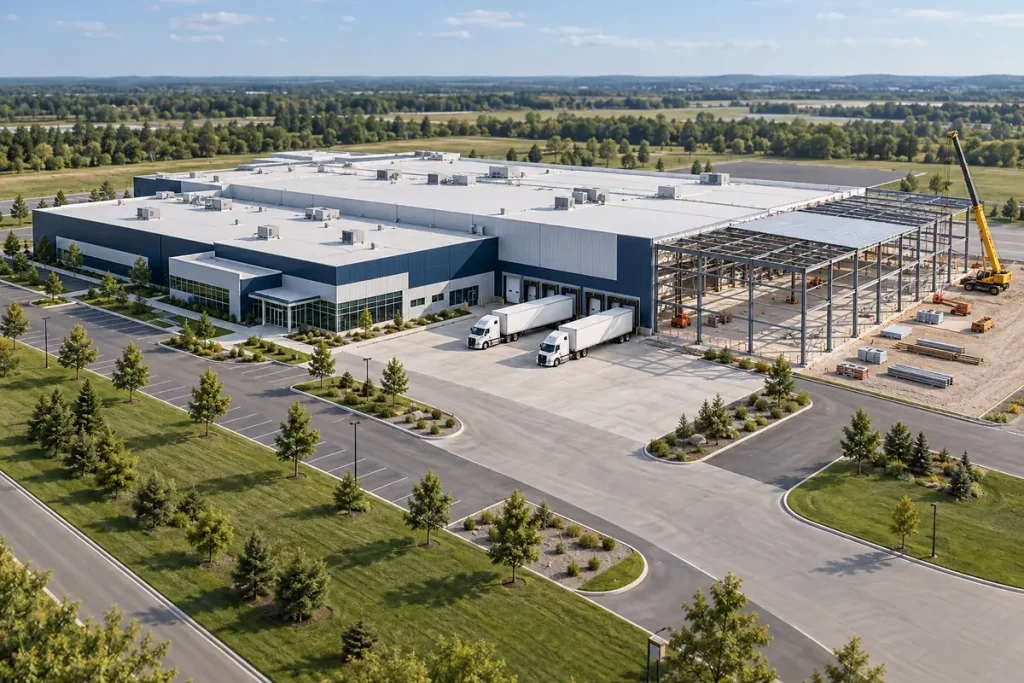
Evaluate EV manufacturing locations across demand scenarios, with practical checks for facility flexibility, utility readiness, suppliers, workforce, and phased investment.

Understand EV battery plant power requirements: distinguish battery output from electrical demand, model average and peak MW, and validate utility capacity, timing and costs before choosing a location.
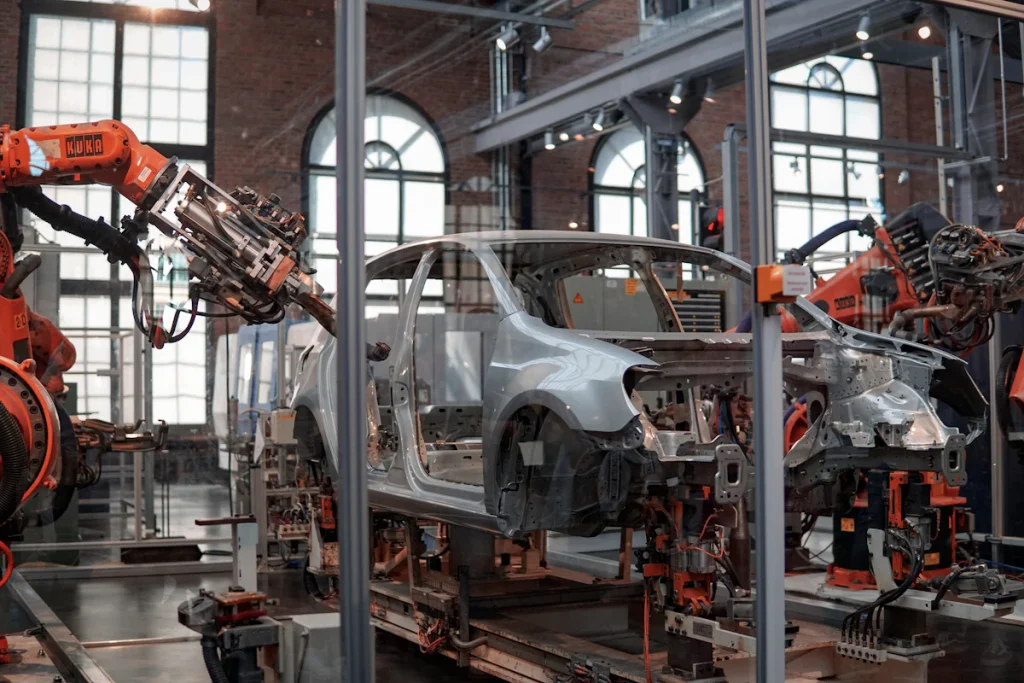
How U.S.-China trade risk shapes automotive site selection: map critical suppliers, test tariff and freight scenarios, and compare sourcing options alongside plant readiness and total location cost.
Compare U.S. locations for EV assembly, battery cells, packs and components with an operation-specific framework for utilities, workforce, readiness, cost and growth.

Evaluate EV battery manufacturing locations for utilities, process needs, workforce, materials, site readiness, costs, and expansion with a practical framework.

Plan EV manufacturing sites for production delays, phased ramps, changing product requirements, utility expansion, workforce timing, and incentive milestones.
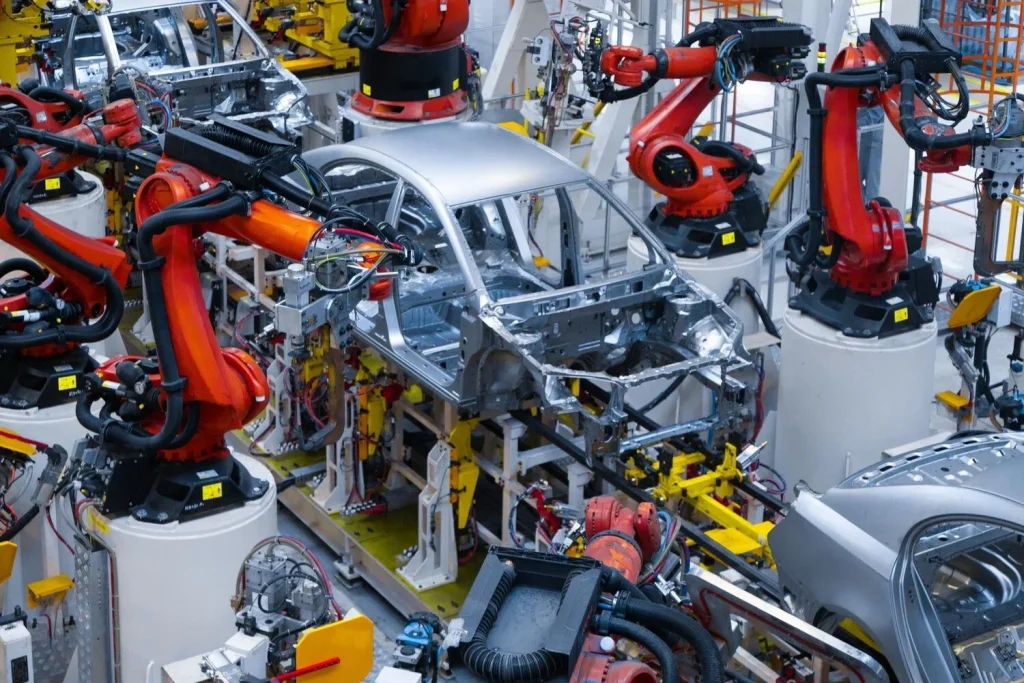
Evaluate automotive locations for software-defined vehicles: technical talent, electronics suppliers, testing, digital infrastructure, and plant flexibility.
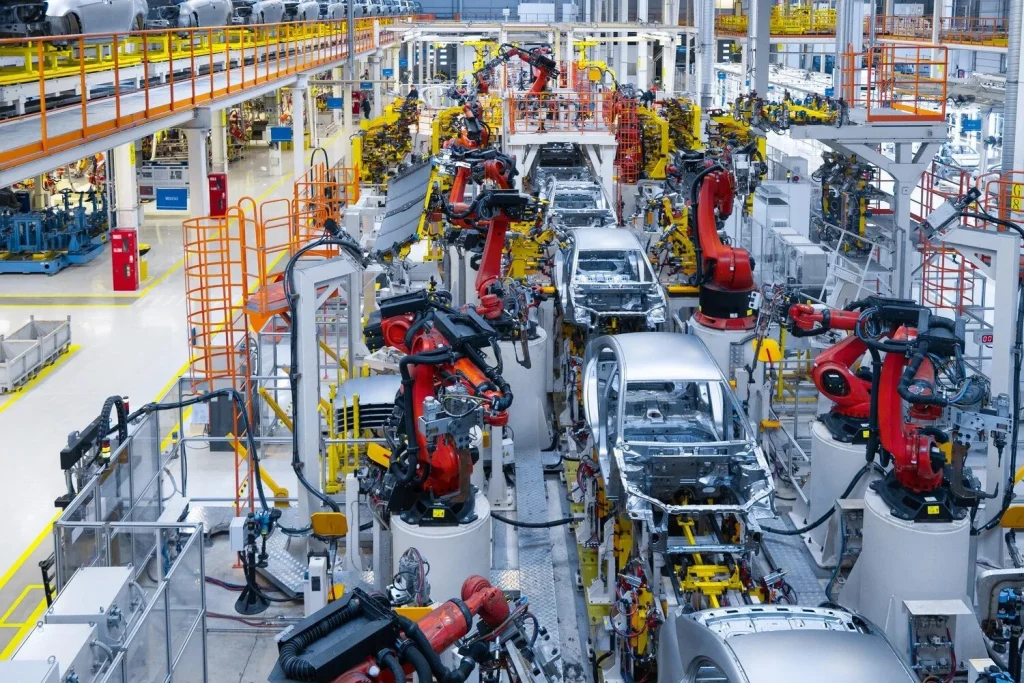
Explore how AI changes automotive manufacturing site selection, from power and technical skills to connectivity, supply chains, readiness and growth.

Choose a semiconductor site selection consultant using five evaluation criteria, project-specific technical evidence, structured interview questions, and clear implementation deliverables.