
MANUFACTURING LOCATION DECISIONS
Manufacturing Facility Due Diligence: Key Steps
Manufacturing facility due diligence tests whether a property and its surrounding market can support the production, people, infrastructure, schedule, and growth your business requires.
Start with the operation. Verify the evidence. Turn the findings into a decision before the location becomes a long-term commitment.
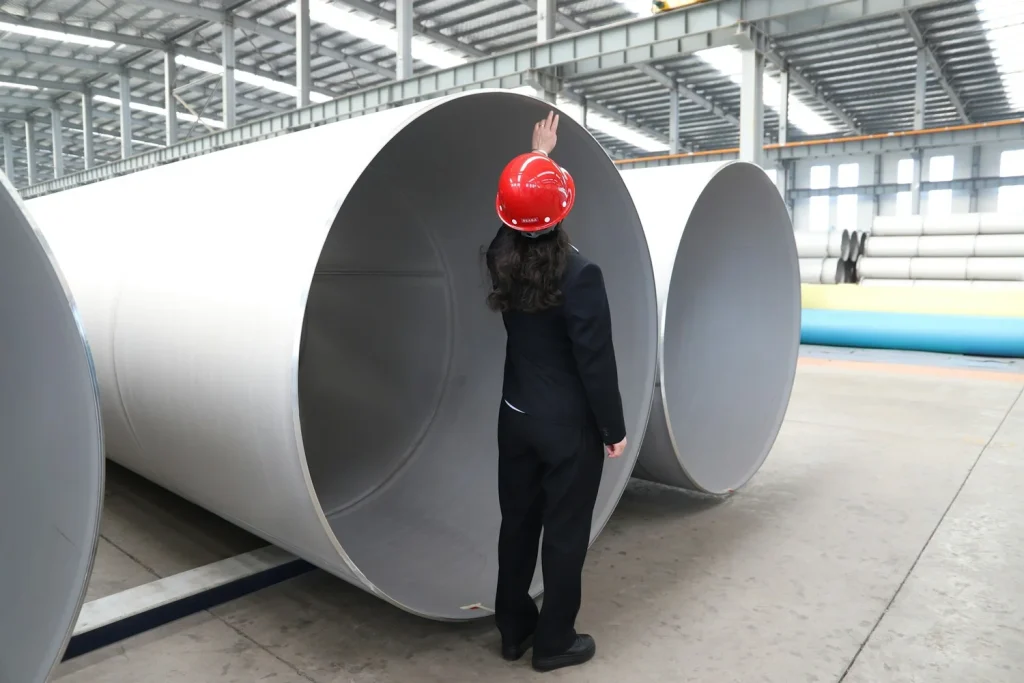
Industrial facility photo, shown for context. The review must connect building conditions with the operation planned inside.
01 / ESTABLISH THE OPERATING BRIEF
Define what the facility must support.
Due diligence evaluates a specific location against the business plan. Within the broader site selection process, it helps distinguish an attractive property from a workable operating location.
Agree on minimum requirements, decision criteria, and the target operating date. Record which inputs are confirmed and which remain estimates. Revisit the brief when equipment, production volumes, staffing, or future phases change. Use the manufacturing site evaluation guide to organize the review before development.
Start with these requirements
- Production: process flow, volumes, equipment, storage, and quality controls.
- Building: clear height, floor loads, layout, loading, and specialized environments.
- Services: electricity, water, wastewater, gas, connectivity, and reliability needs.
- People and movement: skills, shifts, commuting, suppliers, customers, and freight.
- Timing and growth: startup milestones, investment limits, and later expansion phases.
A COORDINATED DUE DILIGENCE ROADMAP
Six steps from assumptions to an actionable decision.
Run the workstreams together where appropriate. A finding about soil, power, hiring, or permits can change the layout, cost model, and schedule at the same time.
1 · Set the scope
Translate the operating brief into review questions, acceptance criteria, specialist assignments, and deadlines. Identify information needed before major commitments.
2 · Build the evidence register
Request drawings, studies, records, provider information, and site access. Track each document’s date, coverage, assumptions, and unanswered questions.
3 · Verify the conditions
Use site visits, provider discussions, authority consultations, and appropriate professional studies to test the claims that matter to production.
4 · Price and schedule the gaps
Identify required repairs, improvements, approvals, and further studies. Assign responsibility and include the consequences in the business case.
5 · Decide with conditions
Compare findings against minimum requirements and risk tolerance. Document what is acceptable, what must be resolved, and what would change the recommendation.
6 · Hand off to execution
Transfer open issues, commitments, milestones, and owners into implementation planning. A decision is useful only if the follow-through remains visible.
THE MANUFACTURING FACILITY DUE DILIGENCE CHECKLIST
Ask for evidence that answers the operating question.
Use this as a planning checklist. The property, process, transaction, and jurisdiction determine the necessary scope and specialists.
| Review area | What to verify | Useful evidence |
|---|---|---|
| Facility and layout | Process fit, structural limits, clearances, roof and building systems, loading, and expansion. | Current plans, condition assessments, equipment layout, and qualified engineering reviews. |
| Utilities | Required capacity, service quality, delivery dates, upgrades, costs, and responsibilities. | Provider assessments, study results, service scope, and documented assumptions. |
| Environmental and ground conditions | Prior uses, contamination concerns, soil, drainage, wetlands, flood exposure, and development constraints. | Appropriately scoped environmental, geotechnical, civil, and flood-related reviews. |
| Approvals and property rights | Proposed use, permit pathways, access, easements, restrictions, and conditions affecting development. | Authority feedback, approval requirements, surveys, and counsel’s property review. |
| Workforce and community | Skills, wages, competition, shifts, training, commuting, housing, and relocation needs. | Labor analysis, employer context, training discussions, and a phased hiring plan. |
| Logistics and access | Real shipment routes, truck circulation, delivery constraints, mode options, and disruption alternatives. | Route checks, shipment modeling, access reviews, and carrier or infrastructure input. |
| Economics and incentives | Capital and operating costs, improvement exposure, eligibility, obligations, and payment timing. | Comparable cost models, specialist estimates, program terms, and sensitivity analysis. |
| Schedule and growth | Dependencies from property control to production, plus capacity for future phases. | An integrated milestone plan, risk register, expansion layout, and utility growth assumptions. |
Keep this property-level review connected to the manufacturing site readiness assessment and location scorecard.
THE PROPERTY TYPE CHANGES THE QUESTIONS
Existing building or greenfield site?
Existing manufacturing building
- Validate floor capacity, clear height, equipment access, and process layout.
- Review the condition and suitability of building, electrical, mechanical, and fire-protection systems.
- Identify modifications, shutdown needs, specialized controls, and installation constraints.
- Compare historical site uses and existing approvals with the proposed operation.
Available space still needs a project-specific fit-out and readiness plan.
Greenfield manufacturing site
- Test grading, drainage, soil conditions, access, and usable development area.
- Scope off-site infrastructure and utility extensions with the responsible parties.
- Map approvals, design, construction, and equipment delivery dependencies.
- Protect workable expansion space, service corridors, and future freight circulation.
Open acreage still needs a credible path to an operating facility.
VERIFY SERVICES AGAINST THE PROCESS
Utility proximity is only the starting point.
A line near the property does not establish that the project’s service can be delivered. Share a defined load profile and review startup needs, operating conditions, and future phases directly with providers.
Capacity and quality
Check electrical demand, power quality, reliability, water flow and pressure, wastewater characteristics, gas, and connectivity against process requirements.
Delivery and dependencies
Identify studies, network improvements, equipment procurement, construction, testing, and approvals that determine the achievable service date.
Scope and responsibility
Document who provides each improvement, who pays, what remains provisional, and what would change the provider’s timing or commercial assumptions.
Use the utility readiness guide to separate a service claim from evidence the project team can plan around.
SPECIALIST FINDINGS BELONG IN THE LOCATION DECISION
Connect environmental, site, and permitting reviews.
Understand the site conditions
Ask appropriately qualified professionals to scope environmental history, potential contamination, geotechnical conditions, drainage, wetlands, and flood exposure. Identify additional investigation needed to understand a material concern.
EPA’s All Appropriate Inquiries guidance explains environmental property assessment in its liability context. Have environmental and legal specialists determine the appropriate assessment, timing, and transaction-specific implications.
Map the approval pathway
Confirm the proposed process and use with the relevant authorities. Review zoning, construction, fire protection, air, water, wastewater, and other process-specific approval questions with the appropriate specialists.
Use the FEMA Flood Map Service Center as an official flood-hazard information source, then have the project team assess site-specific exposure, drainage, access, and design implications.
Maintain explicit scopes for each review. A study commissioned for one purpose may leave other building, environmental, ground, or operational questions unanswered. Translate every material finding into cost, schedule, design, or decision consequences.
REVIEW THE MARKET OUTSIDE THE FENCE
People and freight must work on an ordinary operating day.
Staff the operation
Evaluate skills, pay expectations, competing employers, shifts, retention pressures, and training capacity. Test the hiring ramp rather than relying on regional headcounts.
Test the actual routes
Model supplier and customer movements, inbound equipment deliveries, truck access, restrictions, and alternatives. Distance to an interstate is only one input.
Support the people
Review commuting, housing, schools, healthcare, and relocation needs, especially when technical or international employees must move to the area.
Explore manufacturing workforce analysis and supply chain location strategy for deeper comparison methods.
MAKE THE BUSINESS CASE REFLECT THE FINDINGS
Carry every gap into costs, incentives, and timing.
Price the operating reality
Include fit-out, repairs, utility work, site improvements, training, freight, and operating differences in a consistent model. Label estimates and identify costs that still require specialist pricing.
Test the effect of delayed startup, a slower hiring ramp, or a larger improvement scope. The hidden-cost guide shows why acquisition cost alone is an incomplete comparison.
Confirm conditions before relying on them
Review incentive eligibility, job and investment commitments, wage thresholds, approvals, reporting, payment timing, and potential repayment. Check program-specific timing before commitments that could affect eligibility.
Coordinate incentives planning with the schedule. Keep property control, approvals, utility availability, commissioning, and production as distinct milestones.
ILLUSTRATIVE FINDINGS / NOT AN ACTUAL PROPERTY REVIEW
Turn a concern into a decision response.
| Finding | Potential operating consequence | Response to document |
|---|---|---|
| Power timing remains provisional | Equipment installation may finish before usable service is available. | Obtain a project-specific provider assessment; revise the production schedule and compare alternatives. |
| Floor capacity has not been verified | The proposed equipment may need redesign, reinforcement, or a different layout. | Commission the appropriate engineering review and price any required work before relying on the fit. |
| Hiring assumptions exceed the available evidence | Shift coverage, training demand, or ramp-up cost may differ from the plan. | Validate the recruitment catchment, skills, compensation, and training approach; revise the staffing model. |
| Expansion land has unresolved constraints | A later phase may require a different layout, approval, or location. | Review rights, physical conditions, utilities, and approvals; reflect the remaining uncertainty in the decision. |
Every material issue needs an evidence source, an owner, a due date, and an action. Use facility location risk analysis to connect individual findings to the overall exposure.
CLOSE THE REVIEW WITH A CLEAR RECOMMENDATION
Proceed, resolve conditions, or reconsider.
Proceed
The evidence supports the defined requirements, and remaining work has an acceptable scope, cost, schedule, and accountable owner.
Resolve conditions
A potentially workable site still has material gaps. Specify the evidence, approvals, remedies, and decision deadlines needed before proceeding.
Reconsider
A critical requirement cannot be met, or the uncertainty, mitigation burden, or delivery risk exceeds the company’s tolerance.
The final report should include the operating brief, findings and source documents, updated economics, integrated schedule, unresolved issues, and approval conditions. Transfer those items into implementation planning and track them through startup.
The time-to-market guide explains how unresolved location dependencies can affect production timing.
COMMON QUESTIONS
Manufacturing facility due diligence FAQs
What is manufacturing facility due diligence?
It is a structured review of whether a property and its surrounding market can support the planned manufacturing operation. It connects building fit, utilities, site conditions, approvals, workforce, logistics, costs, schedule, and growth.
When should manufacturers begin due diligence?
Begin during serious location evaluation, early enough for findings to affect the shortlist, project scope, commitments, and schedule. Coordinate document access and transaction-related deadlines with the project’s advisors.
What should the checklist include?
Cover facility and process fit, utilities, environmental and ground conditions, approvals and property constraints, workforce, logistics, economics, incentives, timing, and expansion. Assign the evidence and specialist scope needed for each area.
Is an existing manufacturing building ready for a new operation?
That needs to be tested. A different process can change floor loads, utilities, emissions, wastewater, fire protection, layout, staffing, and approvals. Prior industrial use does not establish readiness for the proposed project.
Does every project need the same environmental studies?
No. Qualified environmental and legal specialists should determine the appropriate scope based on the property, history, proposed use, transaction, and applicable requirements. Identify where findings call for additional investigation.
Why include workforce and logistics in property due diligence?
A physically suitable facility still depends on people and reliable material flows. Test hiring, shifts, training, commuting, supplier access, customer routes, and freight constraints alongside the physical review.
How long does manufacturing due diligence take?
Timing depends on information availability, site access, specialist studies, provider work, authority responses, and the complexity of the operation. Build a project-specific schedule and identify the reviews that could control the decision date.
Who coordinates the review and who performs specialist studies?
The project team should assign one coordination lead while qualified engineering, environmental, legal, tax, and other professionals perform work within their scopes. WorldPoint incorporates relevant findings into the broader location and operating decision.
WORLDPOINT SITE SELECTION
Evaluate the facility. Protect the operating plan.
WorldPoint helps manufacturers connect site evaluation with workforce, infrastructure, logistics, incentives, economic development coordination, relocation, and future growth. We bring the findings into one coordinated location decision.
Bring the project’s starting point
Share the property under consideration, production requirements, staffing plan, utility needs, target schedule, and available studies. We can help identify the workstreams and questions that need coordination.
Specialist investigations remain with the appropriate professionals. WorldPoint’s services are advisory; brokerage activities, when needed, are handled separately through CBREG True Team.